KEY TAKEAWAYS: The CanWNT defend aggressively but midfield absences and set pieces sink them in 1-0 loss to the USWNT


As was the case the last time they played the USWNT, set-piece defending proved to be the difference for the CanWNT in their latest rematch, a 1-0 loss to their rivals in SheBelieves Cup action in Columbus on Wednesday.
Yet, while Canada were unable to beat this US team, as they came short of snapping their almost five-year winless run against their neighbours, they’ll at least take solace in the fact that they put up a much-improved performance compared to the last meeting between these two sides, however.
POST-GAME ANALYSIS 🔎
— OneSoccer (@onesoccer) March 5, 2026
Okay, so... a 1-0 loss to the USWNT 🇺🇸 wasn't fun, but was it a better showing for the CanWNT 🇨🇦 this time around than the last time they played? 🤔@jwilsonxviii and @Amy13Walsh react to tonight's match 👀 pic.twitter.com/m8SBb1ccEw
On that day, which came in July of last year, the US cruised to a comfortable 3-0 victory in a match where Canada hardly ever looked close to competing. This time around, though, Canada made sure that the US had to work for everything that they earned, and that made for an entertaining match.
Unfortunately for Canada, however, that wouldn’t be enough for them to win this game, as a small error on a corner kick cost them in the 55th minute, leading to Ally Sentnor’s winning goal. Such are the margins when playing a team like the US, who are a top-two team in the world, as you need to be nearly perfect at both ends to give yourself a shot at getting a result.
GOAL 🇺🇸
— OneSoccer (@onesoccer) March 5, 2026
Ally Sentnor makes it 1-0 for the USWNT vs. the CanWNT 🇨🇦, pouncing on a loose ball on a low-driven corner kick
🔴 Watch SheBelieves Cup LIVE on OneSoccer pic.twitter.com/UC0wUXGVxO
For a Canadian team that struggled to penetrate a well-protected US box throughout this game, they were going to need to be perfect defensively, and they weren’t quite able to get there in the end.
Now, they’ll look to close out this tournament with a win over Argentina in their final game on Saturday, capping off a good camp, even if they’ll be unlikely to lift the SheBelieves Cup over their head unless the US picks up a surprising loss against Colombia.
Before looking too far ahead, however, here’s a look at some KEY takeaways from this US match.
Depleted midfield runs out of steam:
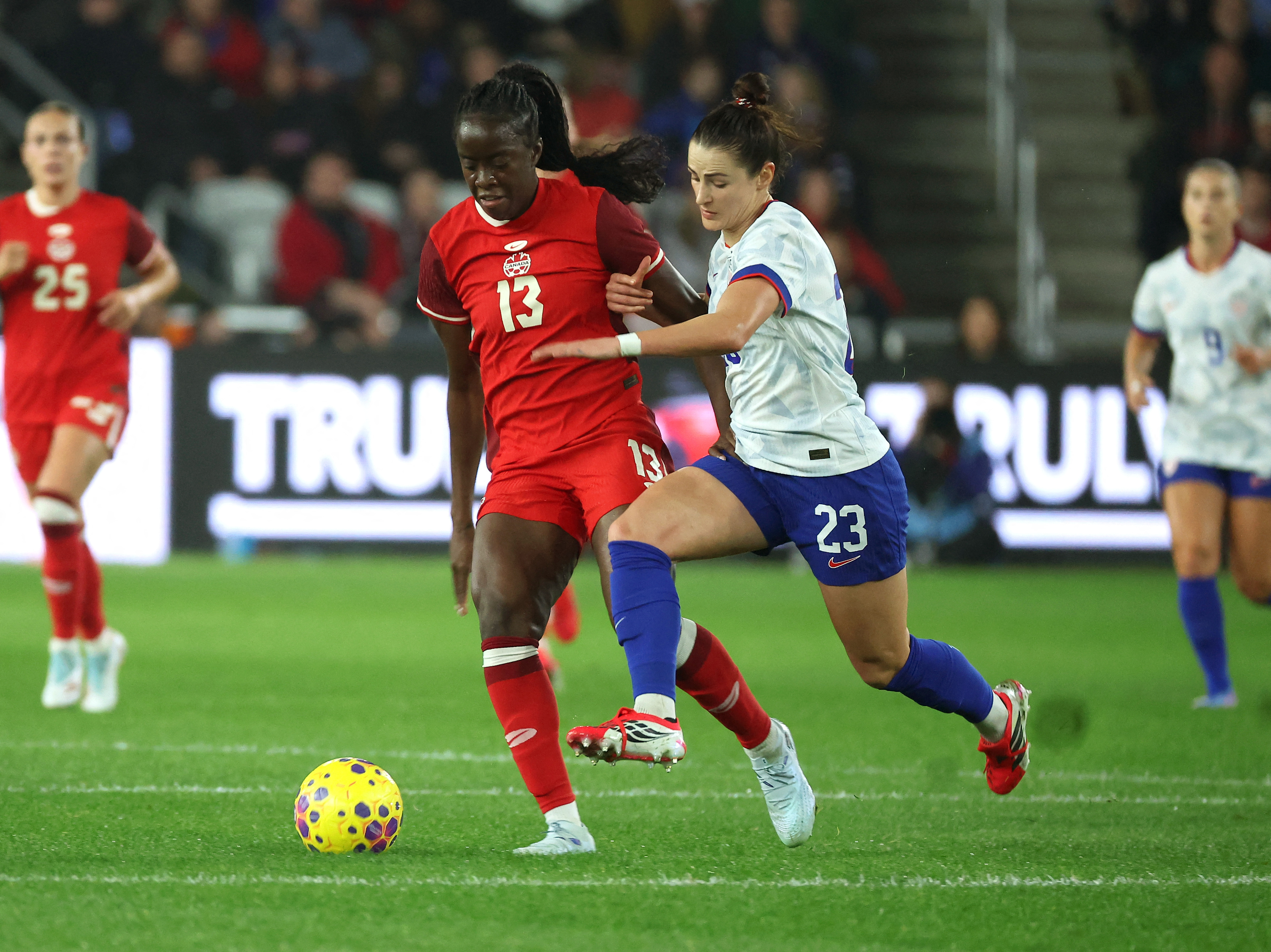 Days after her excellent performance against Colombia, Jessie Fleming unfortunately couldn’t build on it against the US, as she was left out of the team altogether for this game after picking up an illness.
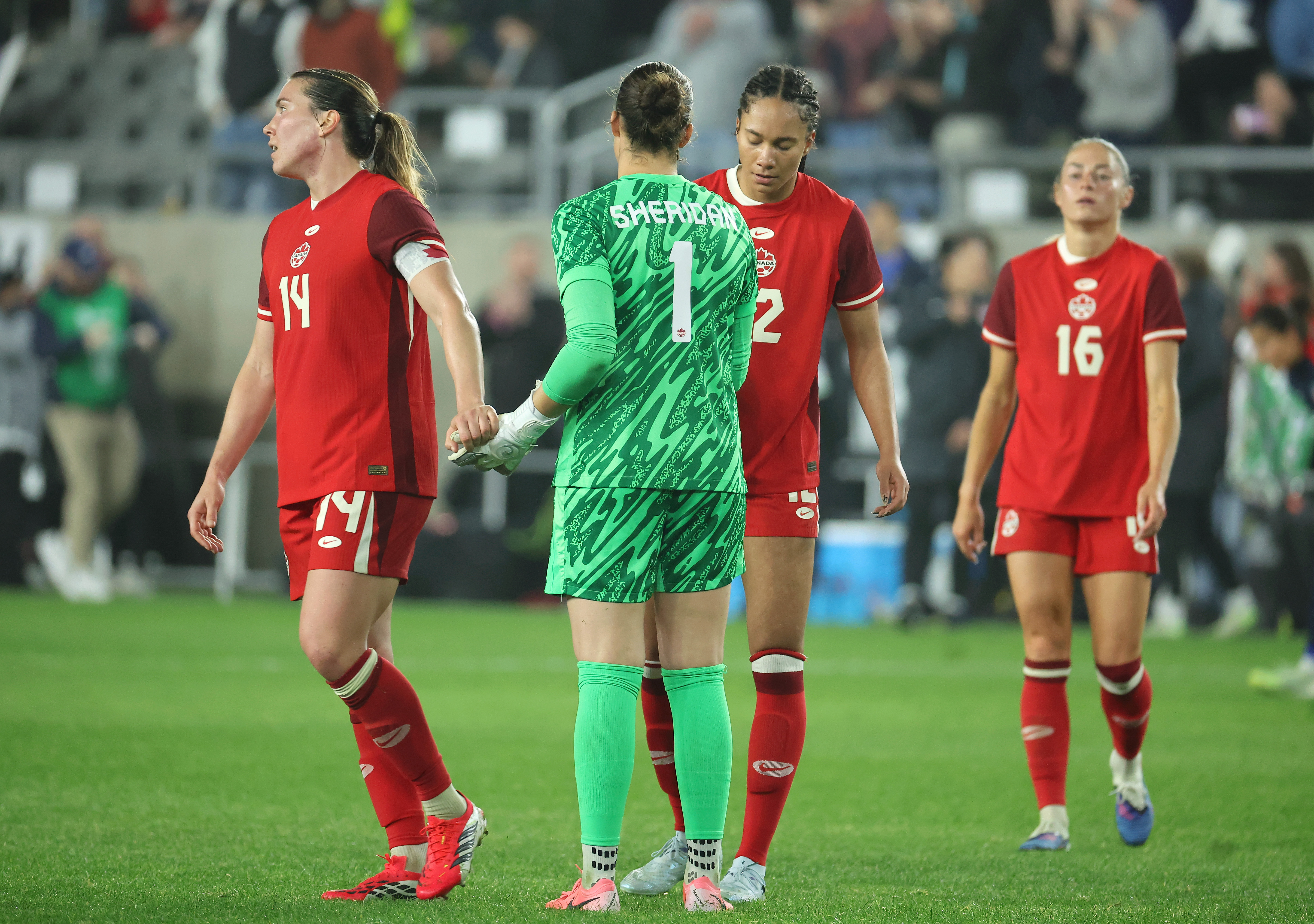
Then, to make matters worse, Simi Awujo, who joined Julia Grosso and Emma Regan in a midfield trio to start this game, only lasted 37 minutes before she left the game with what was also later confirmed to be an illness.
That put Canada behind the 8-ball early, as that left Regan and Grosso as the only natural midfielders in the squad after Awujo’s exit. For two midfielders not even in season, it was going to be tough for them to keep up with the speed of a game like this, which was played against a strong US starting XI, and that was a worry for a Canadian team that would’ve already been fighting to keep pace in that area in the game, even with everyone available.
Yet, the one beauty of moments of adversity like this is that it can push new players to step up, and that’s where credit will be given to Marie-Yasmine Alidou for how she played once she came in for Awujo.
Having first come in to play as a #10, her preferred position for Canada, she had to drop into a defensive midfield role in the 61st minute when Regan came off, putting Alidou into a position she had never really played before. 
Here's one of Alidou's best moments on the ball, as she received the ball on the turn before playing a great ball down the line, helping create some of Canada's best chances of the game (via OneSoccer)
Despite that, she didn’t look out of place in her new role in Canada’s double-pivot and actually gave Canada a bit of extra quality in the midfield in possession, something that they had struggled with for large periods of the game up to that point. 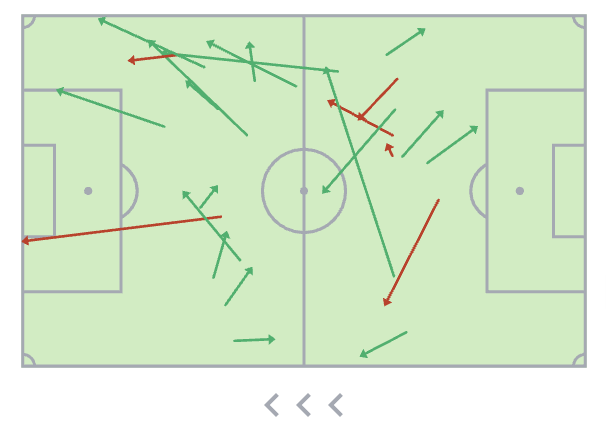
Here's Alidou's pass map from this game, showing her desire to play progressive passes in possession (SofaScore)
Faced off against a US team that operated in a compact 4-2-3-1 that often shifted to a 4-4-2 when pressing, Canada did a much better job of playing through the first wave of US defenders in possession compared to the last time they played, which is a plus.
Unfortunately, once they broke that first line of pressure, though, their attacking play would often stall in midfield, which is where Fleming, who is adept at breaking lines with her passing and dribbling, was sorely missed.
Alidou’s later insertion into a deeper position helped with that a bit, no doubt, but moving her deeper on the pitch then created a different problem higher up the field, as Canada then lost what she can bring between the lines, where she can be so dangerous on the turn. Jordyn Huitema, who replaced her in that role, just never seemed comfortable in the #10, as she completed just 11 out of 16 passes (69%) after coming on in the 61st minute.
In the end, though, that was the story of this game. Canada was quite functional in midfield, especially defensively, but they just never found the rhythm they needed on the ball, and that was always going to hurt their ability to attack against a team as good as the US.
“Yeah, I think there were moments where we were very competitive,” CanWNT head coach Casey Stoney said after the game. “I think we were competitive throughout the game, and I think we kept our distances better with good discipline.”
What this further shows, though, is that Canada is desperately going to want to improve their depth in this area of the pitch going forward. While losing Fleming and Awujo hurt, the fact that those two absences put them in a situation where they had to play a #10 in their midfield double-pivot shows that they’ll want to perhaps find a few more midfielders to bring into future camps, such as Jeneva Hernandez-Gray of Sporting CP or Samantha Chang of AFC Toronto, to help avoid another scenario like this.
Canada shows off improved press, even if goals don’t follow:
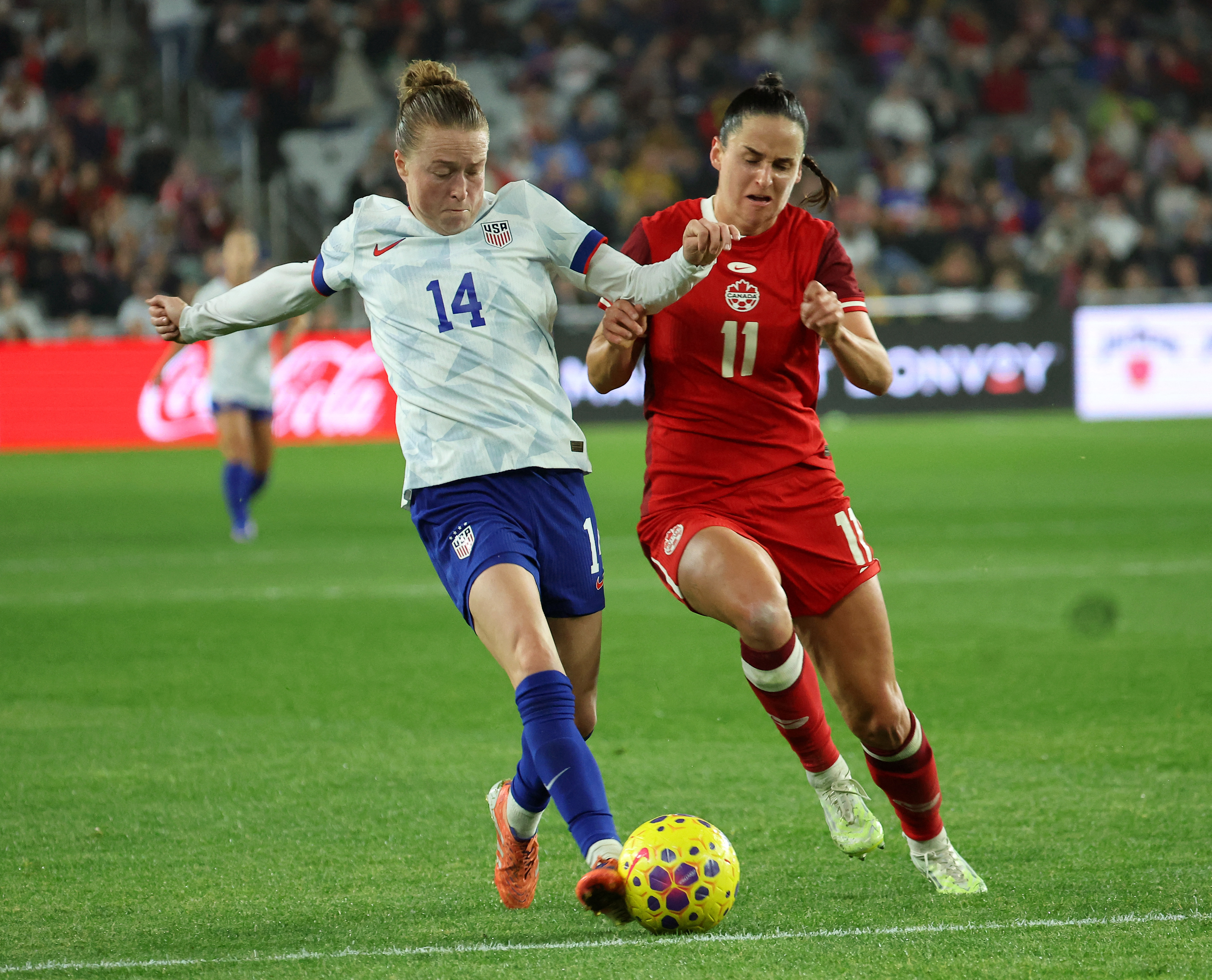 Eager to disrupt the US’s ability to build up from the back, Canada employed a new-look defensive system to start the game, as they began the match by defending in a 4-1-4-1, staying in that formation until Awujo’s exit in the 37th minute.
From there, they finished the game in their usual 4-2-3-1, doing well to build off the work they did in that 4-1-4-1, as they disrupted the US’s ability to find spaces between the lines in possession on several occasions.
The defensive numbers speak for themselves - while Canada allowed 18 shots, with 13 of them coming in the box, the US created just two big chances, with one of them being the goal and the other being a surprising error from Canada’s backline on a routine play. Considering the volume of shots the US took, that’s not bad, as it showed that Canada limited the number of dangerous chances that the US actually had.
That’s not to say that it was all perfect for Canada defensively, as they struggled to keep up with Rose Lavelle, with the US’s attacking midfielder creating six key chances and one assist - although most of those came off set pieces, it must be noted.
And, as a bonus, Canada used their defensive ability to create some chances, too, which also stands out.
Nichelle Prince, who started on the right wing for Canada, won the ball high up the field on a couple of occasions, while Alidou also had a good moment of high pressure in the second half, and that helped Canada generate some of their best chances. 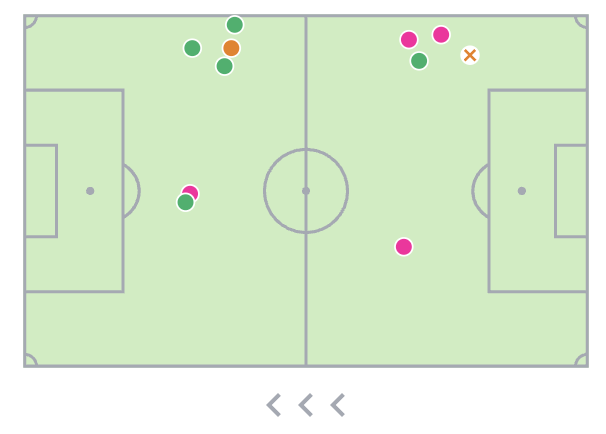
Here's Nichelle Prince's defensive actions from this game, with interceptions in pink, clearances in blue, blocks in red and recoveries in green, showcasing her strong defensive game, especially in the US's half (SofaScore)
That’s key, as Canada wants to be more aggressive with their press, as they feel that they can turn that into a key source of goals going forward. 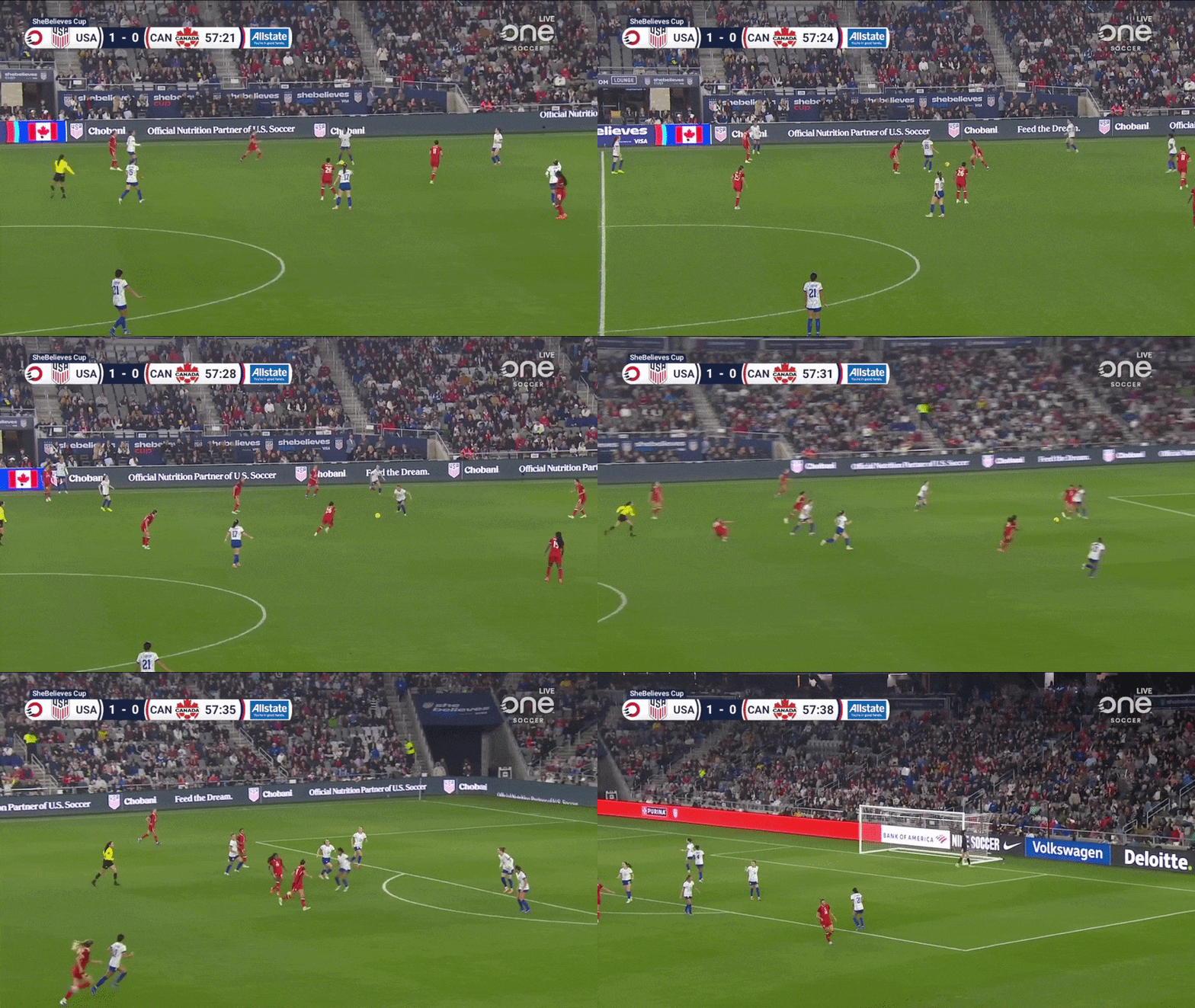
Here's a sequence where Alidou won the ball high up the pitch, helping create a dangerous chance for her team (via OneSoccer)
For a team that is still working on turning their build-up play into more goals, they know that there are other areas of play where they can find offence, and while set-pieces have been the one they’ve more loudly focused on this camp, their press is another important area of focus. 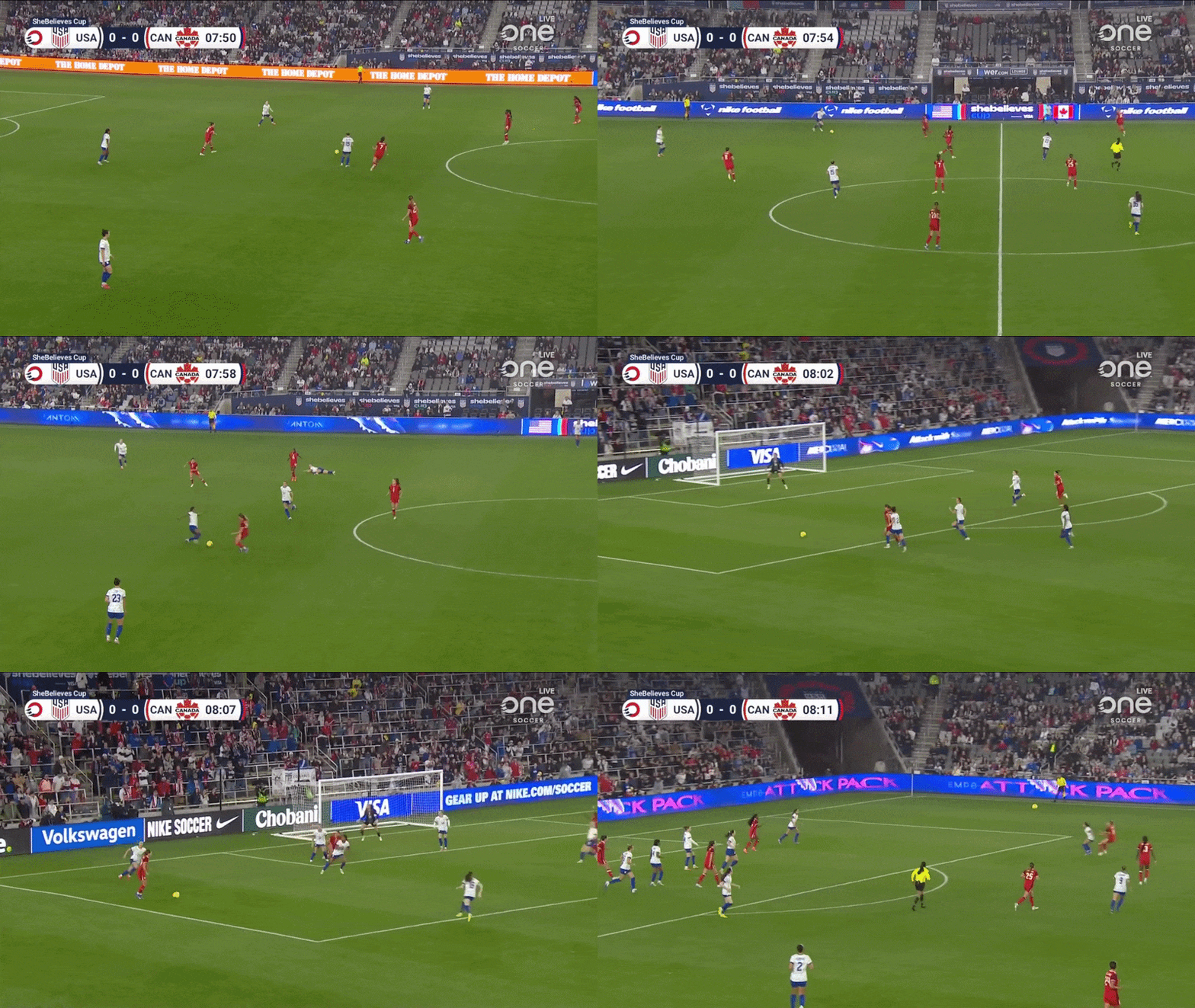
Here's one of the sequences where Prince won the ball high up the pitch, helping create a good transition opportunity for Canada's attack (via OneSoccer)
Unfortunately for Canada, some of those moments of high pressure were some of their only chances in this game, as they generated just six shots, but that shouldn’t take away from the good work they did there. 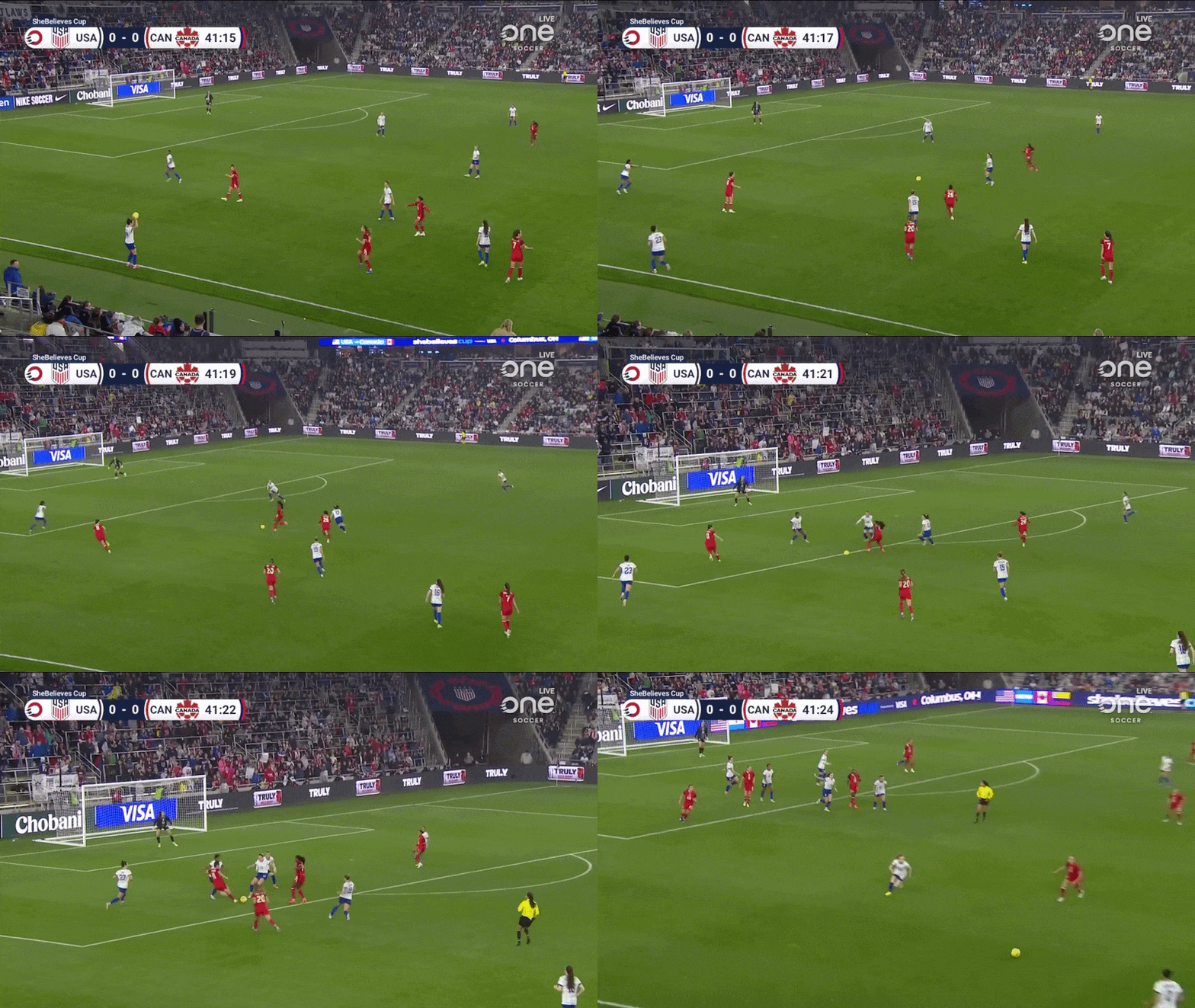
And here's another sequence where Prince won the ball high up the pitch - unfortunately, she lacked the correct final pass on this play (via OneSoccer)
Until they start putting together build-up sequences like this one regularly, the press is one of many other areas of their game that they’ll want to keep getting better at.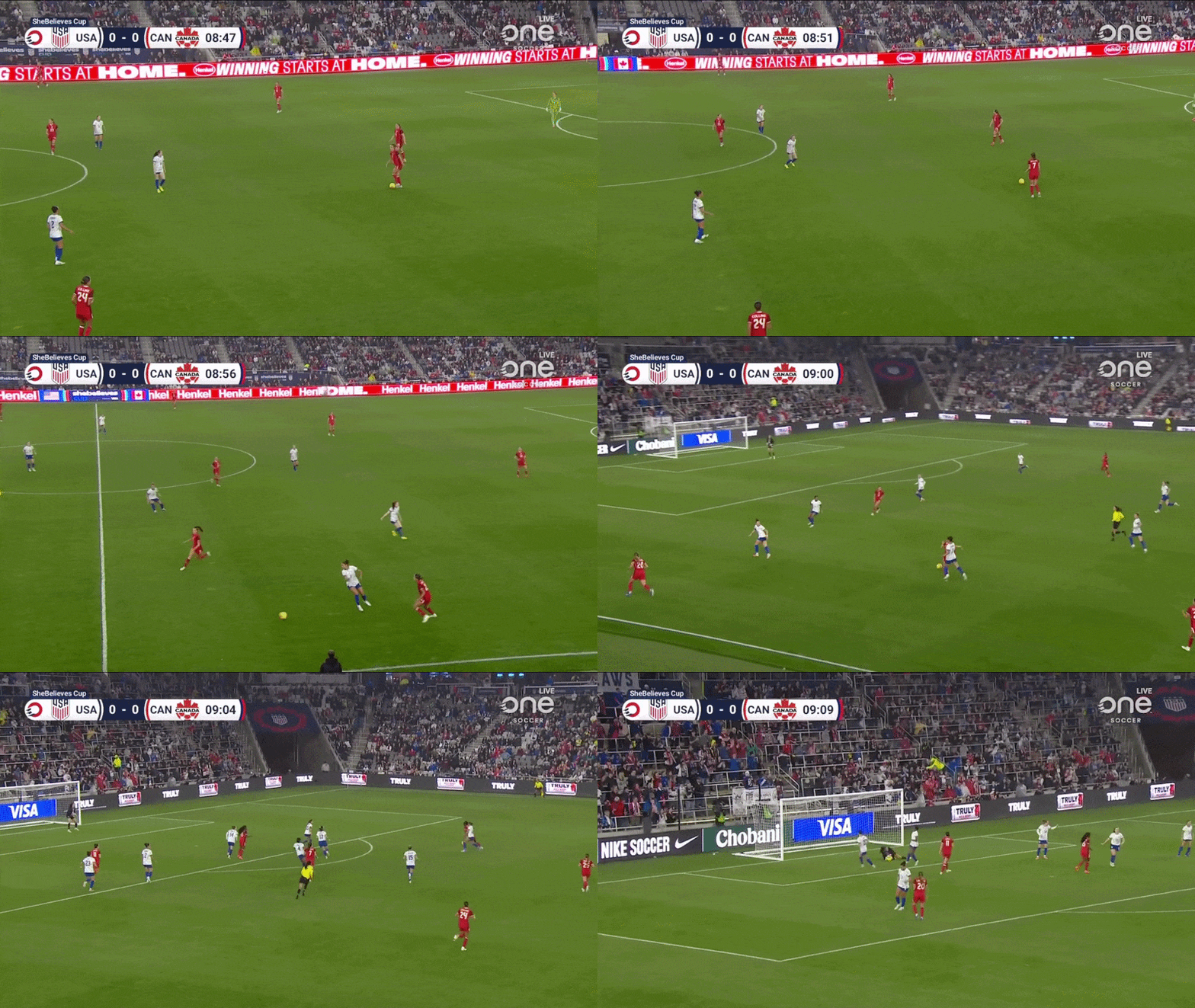
Here's some excellent build-up play from Canada, as Julia Grosso drops in to help form a back 3 in possession, plays a nice give and go with Sydney Collins, and then drives into space to help create a dangerous Canada chance (via OneSoccer)
At its best, Stoney’s style of play demands her team to be aggressive on both sides of the ball, and having a good press is a big part of that, showing why she was pleased with the work her side did in that regard.
“I thought the front three did an excellent job of being compact,” Stoney said. “We can still improve it. There are still moments where we can be even better, especially on a switch of play - how can we be more aggressive in certain moments like that? But yeah, I thought they were excellent and disciplined.”
Gilles and Rose continue to build chemistry at the back:
 All things considered, Gilles and Rose will be pleased with their performance from this game, even if they were inches away from disaster in the first half, nearly gifting Sentnor a goal after a miscommunication between the two in the box.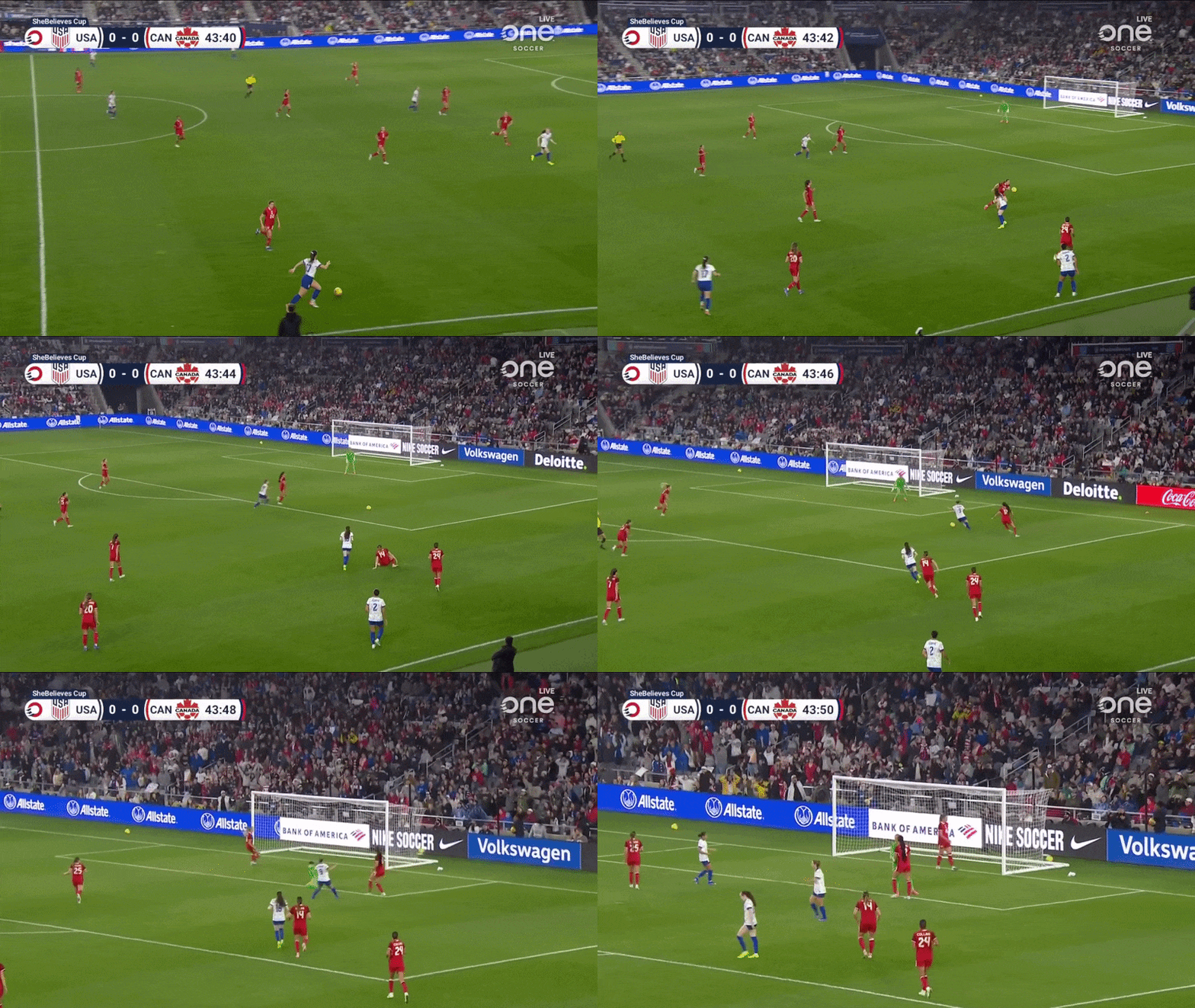
Here's the sequence where Gilles and Rose had a mix-up, nearly leading to a US goal (via OneSoccer)
While that mistake could’ve rattled them, however, they stuck with it from there, and put in another good performance at the back, one that they’ll be frustrated didn’t lead to a clean sheet - that means they’ve now unfortunately gone 11 games as a team without keeping one dating back to last April.
Considering that the US’s lone goal came off a set-piece, they can be pleased with how they defended from open play in this game, however, as they did well to keep the US’s multiple attacking threats quiet throughout the match. 
Here's a great example of Rose's recovery speed, which she uses to shut down a dangerous US transition moment (via OneSoccer)
That’s important, as it feels like we’ll be seeing a lot of Gilles and Rose playing together going forward, even if a healthy Kadeisha Buchanan and Shelina Zadorsky will throw their names into the mix at centre back, along with other options such as Sydney Collins, Brooklyn Courtnall and Zara Chavoshi.
Before, Rose and Gilles hadn’t had much of a chance to play together in a back four - they featured a lot in Canada’s back three at the end of 2023 and during 2024 - so games like this are great learning opportunities for them.
Especially when remembering that this is only Rose’s first professional season with Manchester City, that’s no small detail, as she’ll only be trusted to play a bigger and bigger role on this team going forward, even if she’s already been a key piece for a while now. With Gilles’s continued excellence for club and country, that’s made them Canada’s main two options at centre back right now, even if a healthy Buchanan is right in that mix, as she’ll still need a few months before she gets back up to speed after returning from a major knee injury.
And given how these two complement each other, with Gilles a dominant force aerially, and Rose a speedster, there are reasons to suggest that this partnership has further room to grow, too.
Yet, that’s not to take away from what they did defensively in this game, as seen by the numbers. There, Rose had four interceptions, three clearances, four blocks and four recoveries, as she used her speed to stop attacks and throw herself in front of dangerous attempts, while Gilles finished with one tackle, one interception, 10 clearances, two blocks, five recoveries and four out of four duels won, showing her desire to get stuck in. 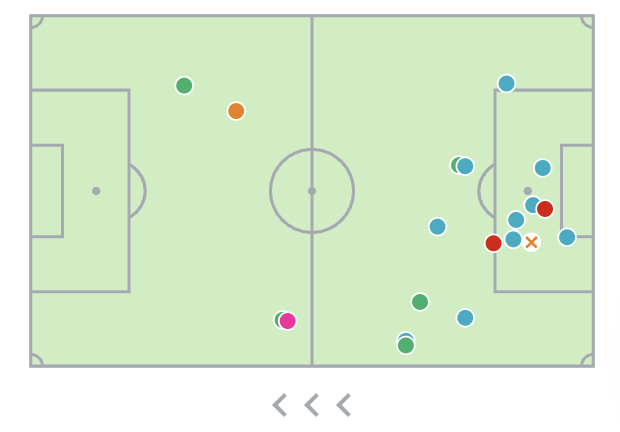
Here's Gilles's defensive actions from this game, with interceptions in pink, clearances in blue, blocks in red and recoveries in green, showing how dominant she was in and around Canada's box defensively (SofaScore)
On a day where Canada didn’t see much of the ball, holding just 36% of possession, they helped keep things tidy at the back, giving them a chance at winning, which is exactly what you want to see from your centre-backs in a match like this.

Here's Rose's defensive actions from this game, with interceptions in pink, clearances in blue, blocks in red and recoveries in green, showing her ability to recover the ball in good areas higher up the pitch, while also making some good interventions in the box (SofaScore)