What can the CanMNT learn from 4 World Cup semifinalists ahead of next cycle?


The World Cup rolls on this week, as the business end of the competition is now upon us.
Just four teams remain, and they’re exactly the sides you’d expect to see at this stage, as France, Spain, Argentina and England are set to face off in the semi-finals, with one of those sides set to lift the World Cup trophy next Sunday in New Jersey.
Not only are those the top four teams in the world in terms of the pre-tournament FIFA Rankings, but they’re four previous winners of this trophy, meaning that there has still been just one new winner of this trophy this century - and that was Spain in 2010.
Yet, it serves as a good reminder of how hard it is to win a World Cup. On paper, several new teams were capable of lifting this trophy, but when push came to shove, the experience of these historical footballing nations has triumphed.
To that point, though, it’s worth looking at what has worked so well for these teams, as others look to study them and imitate them for the next World Cup.
For example, from a Canadian perspective, what can the CanMNT, who just reached the Round of 16 for the first time at a men’s World Cup, learn as they push to make an even deeper run in 2030?
Rebuild or re-focus? 👀
— OneSoccer (@onesoccer) July 10, 2026
KJ 🎙️ "This is not a time for #CanMNT to say they're no longer competing for trophies because they're going through a rebuild... I think a lot of Canadians want to kick on and go "No it's time to win a trophy."
▶️ Watch bet365 FOR THE WIN on OneSoccer pic.twitter.com/f7vHNxXkKB
Here’s a look at one key lesson that each of the semi-finalists can teach sides like Canada as the next World Cup cycle begins.
Spain: The importance of identity
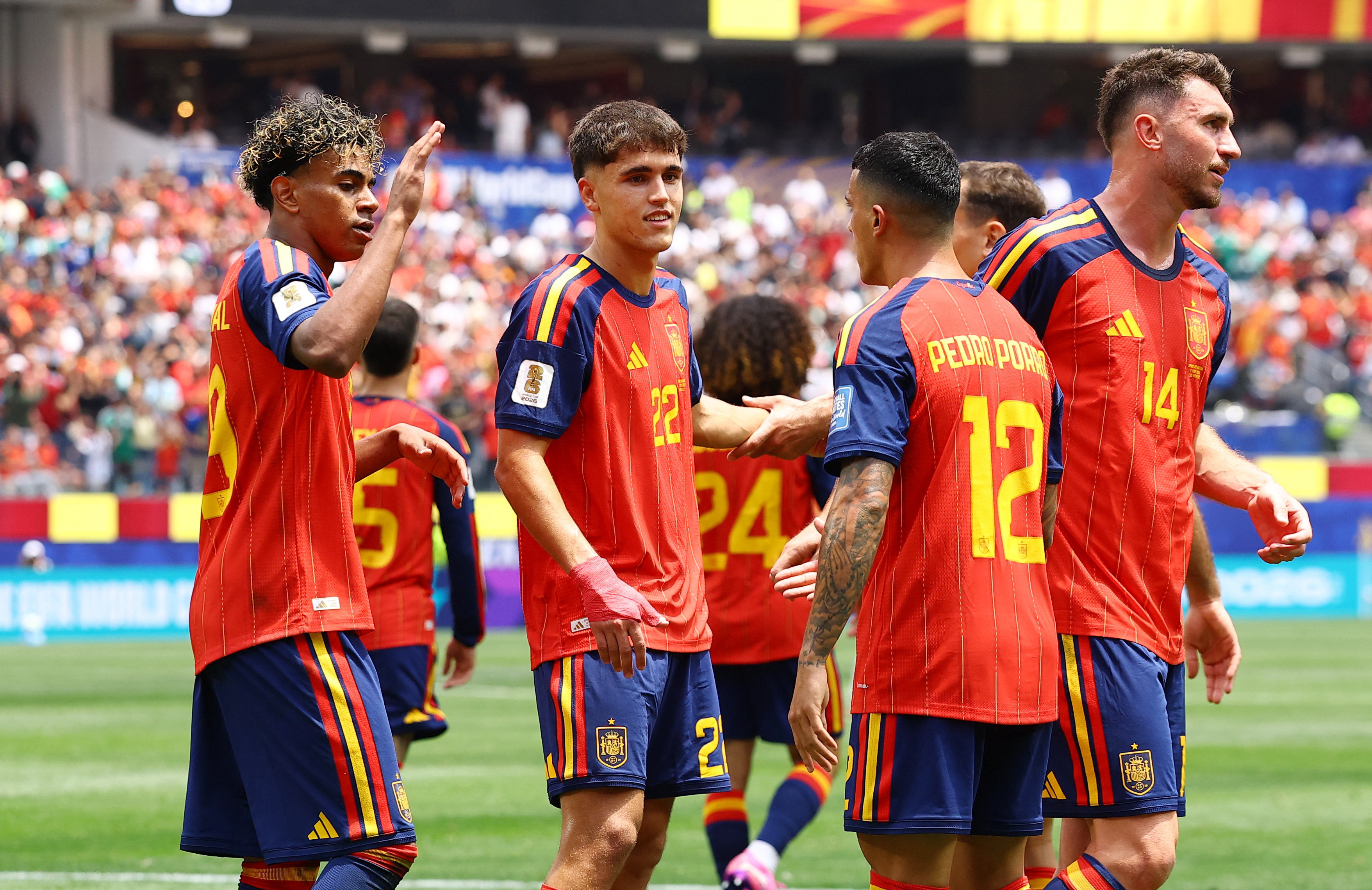 It’s no surprise that when you look at the top possession teams at this World Cup, Spain are at the top of the list, as they’ve averaged 66% possession in the six games they’ve played at this tournament.
Much as they did when they won their first World Cup in 2010, this team loves to dominate the ball and play the sort of smooth, free-flowing possession game that defined that era of Spanish soccer. Tiki-taka is back.
No matter the results they’ve had, they’ve stuck to that identity, and that has allowed them to survive some leaner years, which included a group stage exit at the 2014 World Cup and back-to-back Round of 16 exits at the 2018 and 2022 World Cups, where many had wondered if Spain’s style of play, which had become boring and sterile, had become their downfall.
After having won the 2024 European Championship, however, they reestablished their dominance as a side, and did so by staying true to their identity - instead, they just tweaked things around the edges.
That’s a big lesson worth noting for this Canadian side, which hasn’t always had a clear identity, something that head coach Jesse Marsch has made sure to change since his arrival. Now, this Canadian team wants to press teams, play aggressively and use their athleticism to their advantage, and that’s proven to be a good fit for this group.
What this shows is that Canada should continue to build their team around that identity, as that’ll be very important for them in the future. That’s not to say that they need to be completely inflexible tactically, as they’ll have to adapt to the players that they have, but as Spain have shown, you can do that while still sticking to your identity.
That someone like Lamine Yamal has become such a key part of this Spanish team shows that, as they adapted their system to take advantage of his skills as a ball-dominant winger.
France: Elevate your stars
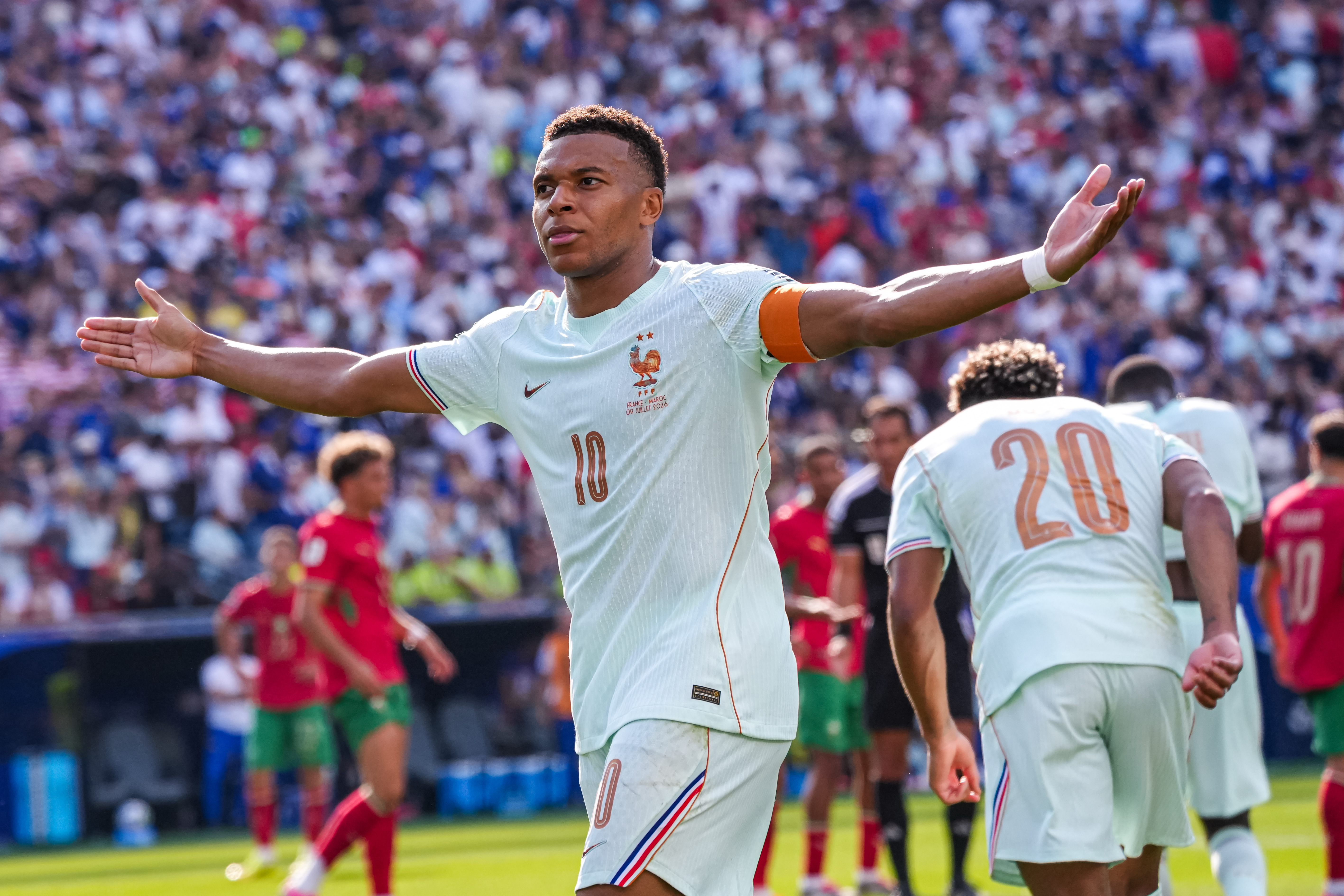 At the end of the day, this tournament is one where stars shine. When you look back at every successful World Cup team, they’re driven by players at the absolute peak of their powers.
In Kylian Mbappé, France has a player who will go down in footballing history, as he is already one of the best World Cup players of all time, and still has a lot of time to add to his legacy.
Yet, what’s been remarkable about watching this France side is that despite having other impressive stars at their disposal, such as 2025 Ballon D’Or winner Ousmane Dembélé and Michael Olise, they’ve found a way to elevate Mbappé’s skills and make him the centrepiece of this squad - given that he leads the tournament with 11 goal contributions (eight goals+three assists), they’ve done that expertly.
To do that, however, they’ve had to make some sacrifices. Dembélé and Olise have played a big role in that, as Dembélé’s tactical flexibility and Olise’s creativity have fit in perfectly with Mbappé’s skillset, but they’ve not given as many minutes to players such as Rayan Cherki, Warren Zaïre-Emery and Désiré Doué, who would be locked-in starters on most other teams in the world, because of that.
Instead, they’ve asked players such as Adrien Rabiot and Manu Koné to bring balance and support to this team, asking them to do the sort of dirty work that elevates those around them.
Many would’ve been tempted to put as many stars on the pitch as possible and tried to make it work, but instead, France has found a way to elevate the best of their stars, sacrificing some talented players to do so.
France has done an incredible job of this over the last decade - that they won the 2018 World Cup and reached the 2022 final without someone like Ballon D’Or winner Karim Benzema shows that (he would’ve been part of the 2022 team if not for an injury, to be fair).
For Canada, it shows that they need to find a way to elevate their best players going forward, as they arguably didn’t do enough of that at this past World Cup. Of course, Alphonso Davies was injured for most of this tournament, so we didn’t get to see the best of him, but Jonathan David was fully healthy and struggled, with some of those issues being self-imposed.
Going forward, Canada can’t afford to do that with their star players, whether that’s Davies when healthy, David, or whichever new young stars emerge over the next few years.
Argentina: Flexibility goes a long way
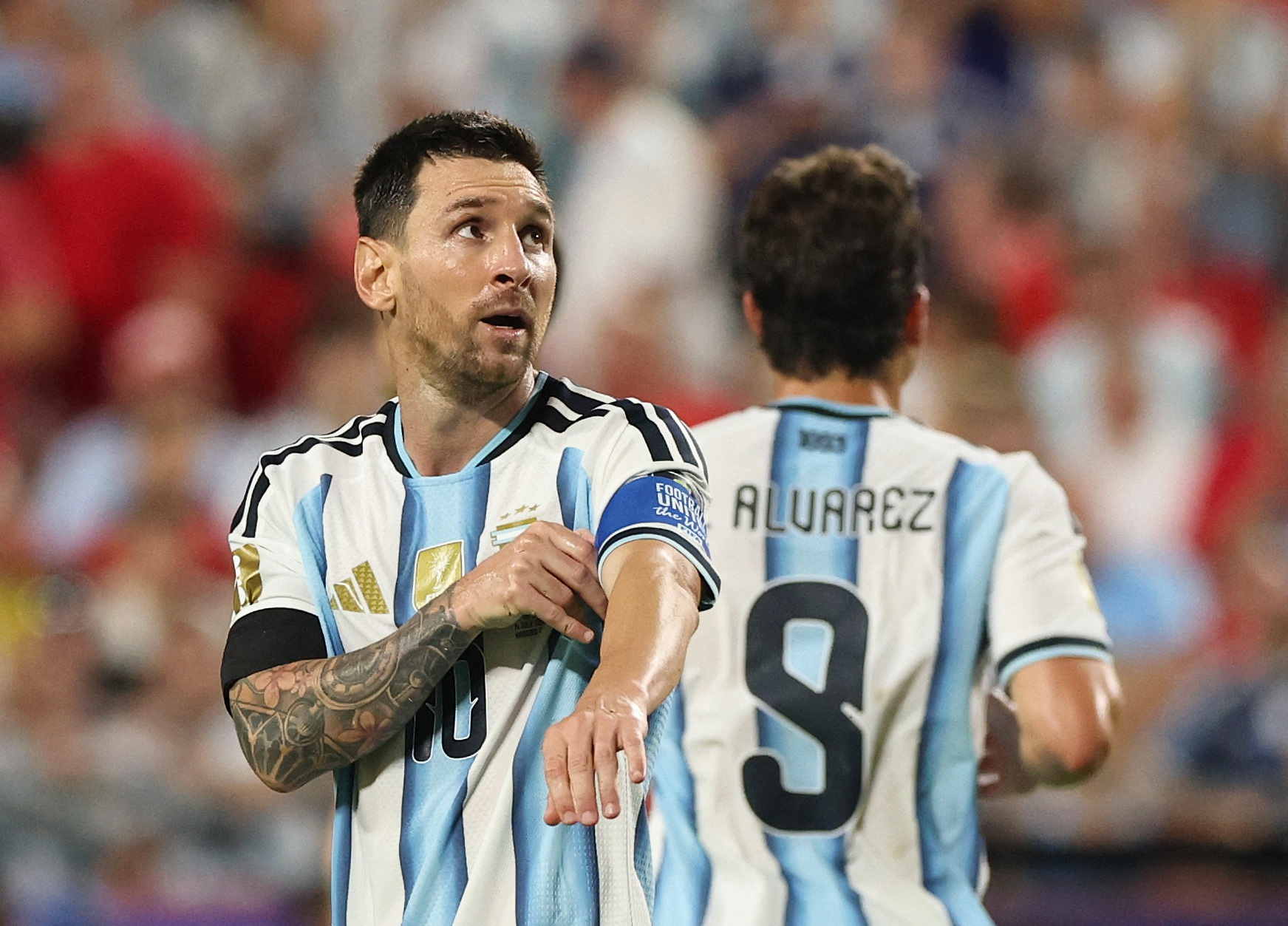 Everyone knows that Argentina’s Lionel Messi’s team. Despite being 39 and having already earned his World Cup in 2022, Messi has powered this Argentina team to yet another semi-final, as he’s somehow still playing some of his best soccer as his 40s approach.
Yet, the thing that stands out about this version of Argentina is that they’re willing to play different types of games. They can play a pretty, entertaining game if needed, but they’re also willing to roll up their sleeves and play ugly football if that means winning.
That’s a credit to what is being dubbed ‘Scaloneta’, a nod to their head coach Lionel Scaloni, who has found a way to get the best out of this team.
If they need to muck up the midfield and play with four central midfielders, they can do that. If they need wingers or a striker to stretch the field, they can do that. If they need their full backs to overlap, they can do that.
And that’s a credit to both Scaloni and the flexibility of this squad, as players are happy to assume any role that’s required of them to win. Perhaps, that’s why some players have stuck in this squad even when they’ve struggled for club form or even moved to lower leagues, as Scaloni has rewarded their willingness to fight for the cause and be flexible with loyalty in terms of his squad selection choices.
For Canada, it shows that while they need to stick to their identity, they also need to be flexible. At times, they’ve been unwilling to step out of that box, and that has made them predictable for teams who have played against them.
Argentina has shown that you can still stick to an identity while still being flexible, and their success shows that.
England: Everyone plays a role
 It was a big shock heading into the tournament, as England’s manager, Thomas Tuchel, decided to leave some of his side’s better players at home in form of some more unique squad picks.
In particular, the decision to leave home Trent Alexander-Arnold, Cole Palmer, Phil Foden, who are some of England’s most talented players, sparked big discussions, especially when seeing that someone like Noni Madueke, who wasn’t even the starting right winger at Arsenal, made the team.
When seeing the way this team has played, it’s been safe to say that Tuchel’s bold decisions paid off.
Instead of picking the best players, Tuchel made sure to pick a team where players are asked to play very specific roles, ones that can be useful in a tournament.
For example, look at Dan Burn. The Newcastle centre back was picked ahead of some bigger names, and a reason for that is his ability to defend in the air, which has allowed England to close out their Round of 16 clash against Mexico and quarter-final clash against Norway, as Burn came off the bench and made impactful appearances in both matches.
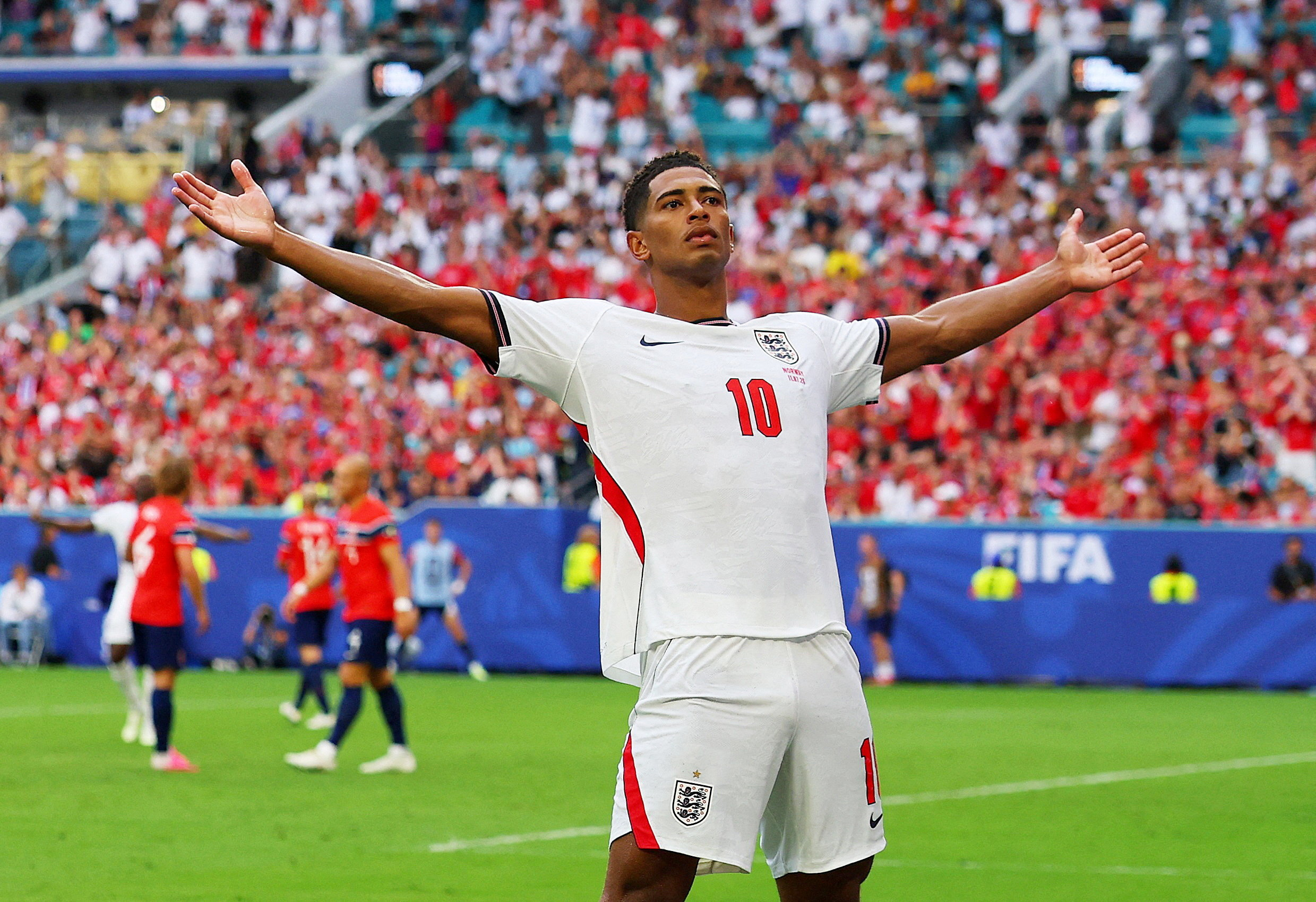
Then, there’s Madueke, who has been a starter for most of this tournament, thanks to his ability to stretch the field to open up space for England’s best players, Harry Kane and Jude Bellingham. Given that Kane and Bellingham each have six goals apiece, that’s proven to be a good decision.
Of course, England can afford to get away with this, because the likes of Burn, Madueke and others are still very good players, ones who would start on a lot of World Cup teams - it’s just that it’s a surprise to see them earn call-ups ahead of some of the other talented players England have at their disposal.
What that shows Canada, however, is that it’s important to take squad composition into account when building their teams. With a smaller player pool, they can’t afford to leave some of their top players at home, so this won’t affect how they choose players #1 to #20 in a squad, but it should absolutely be something that they consider when it comes to rounding out their squad.
For example, at this World Cup, could Canada have used a creative attacking midfielder to come off the bench when they were down a goal? They had a player like that in Marcelo Flores, of course, who missed the tournament at the last minute due to an injury, but could they have replaced him with a similar profile instead of another winger or defender?
Based on what England has shown, there could’ve been some value in that sort of thinking.